Contact us for construction services
Thank you! Your submission has been received!
Oops! Something went wrong while submitting the form.


Most rework in the spray booth gets attributed to what happened during painting. The gun settings, the coat thickness, the flash time. These are reasonable places to look. They are visible, measurable, and adjustable.
But a significant share of finishing problems originates before the first coat goes on. They are built into the surface during preparation, or in the minutes between preparation and application, and they show up later as something that looks like a painting problem.
Dust inclusions are the clearest example. A painter who has thoroughly cleaned and tacked a panel can still end up with nibs in the clear coat, because the period between final prep and application is long enough for contaminated air to settle on a statically charged surface. By the time the defect is visible, the cause is already thirty minutes in the past.
The same applies to how the first coat lays down on a charged surface. Uneven lay-down in the basecoat can influence colour uniformity and metallic orientation, problems that only become apparent after the clearcoat has been applied and the job comes out of the booth.
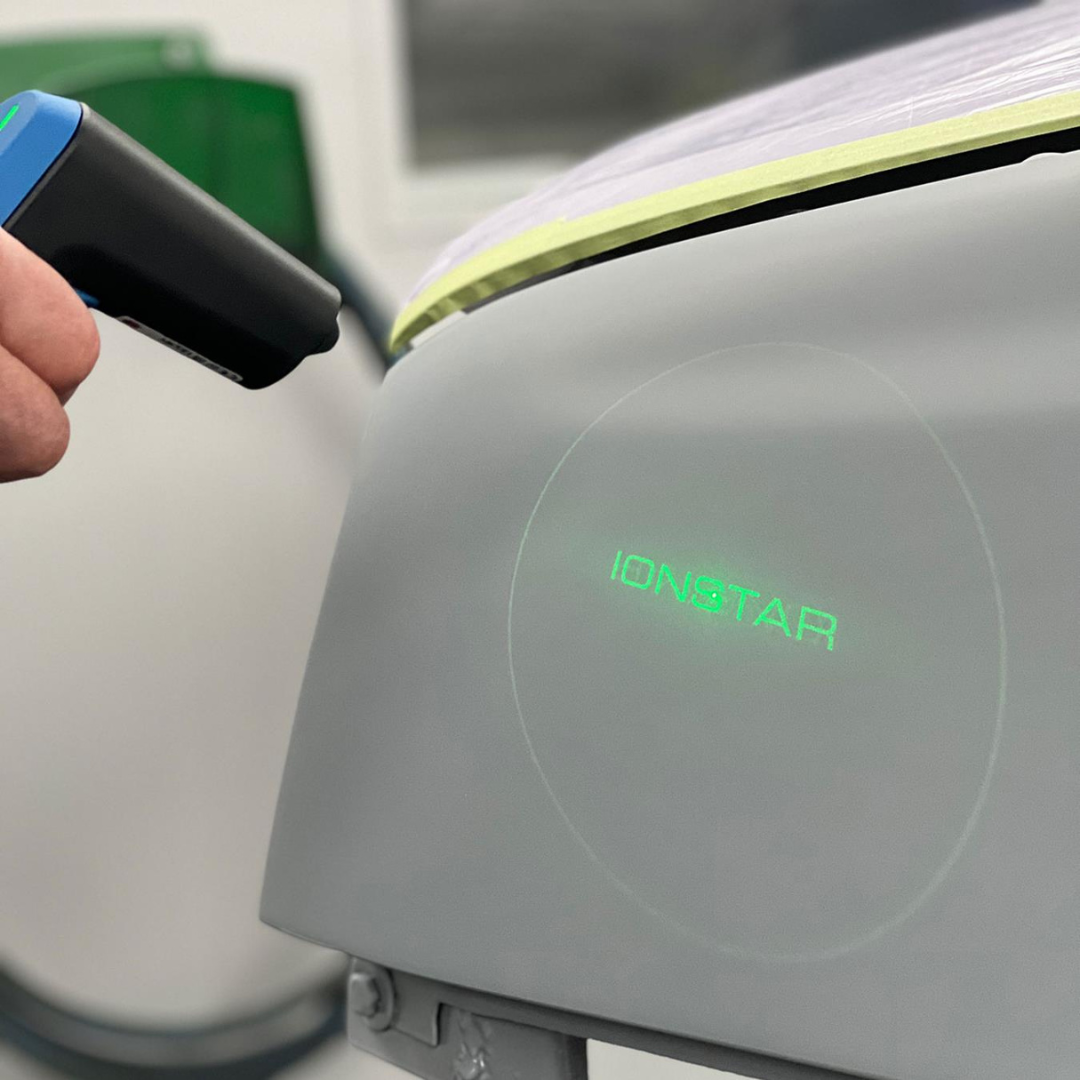
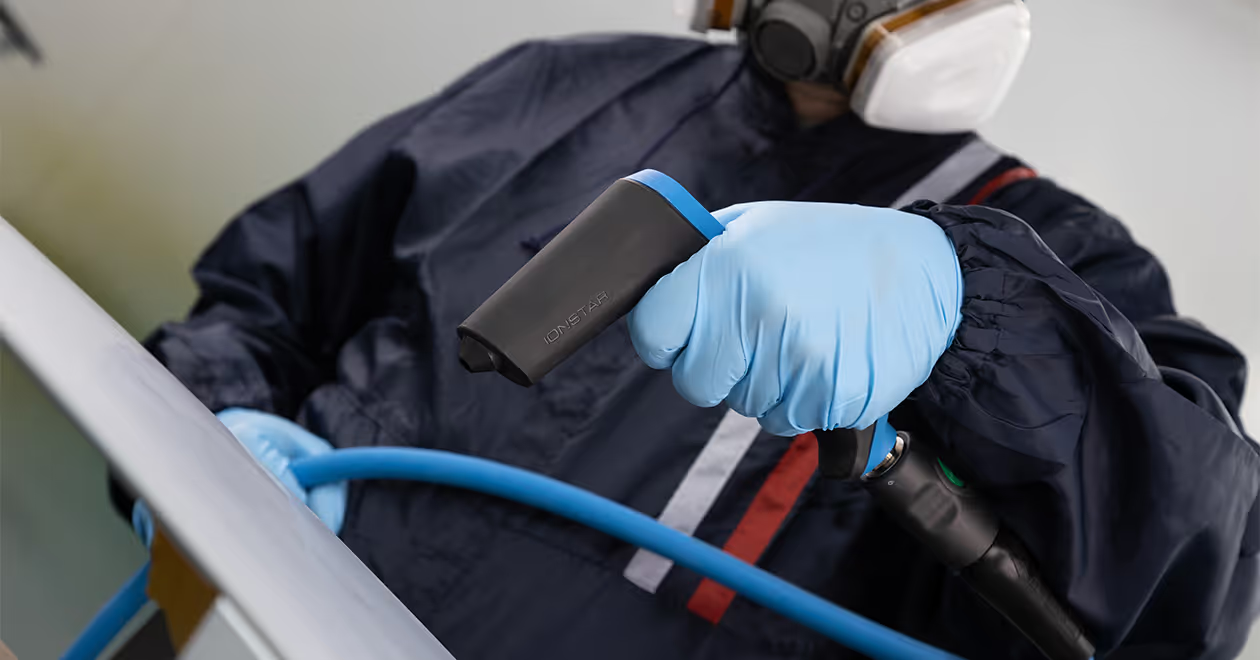
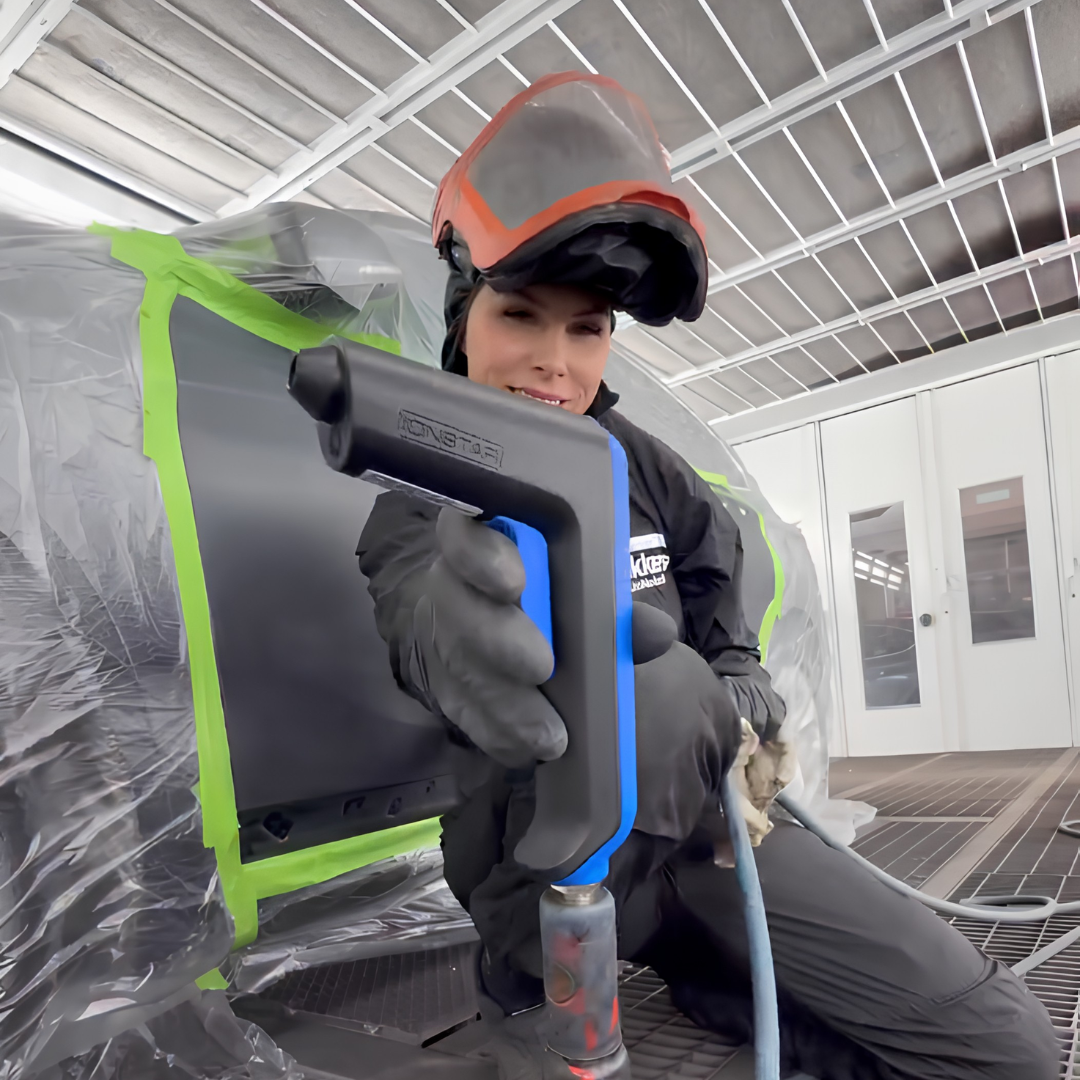
There is a pattern in workshops that take finishing quality seriously: they treat the final moments before application as carefully as any other stage. The surface is neutralised, not just tacked, immediately before spraying begins. The reason is practical. A surface that attracts contamination and one that does not are not equivalent, even when they look identical.
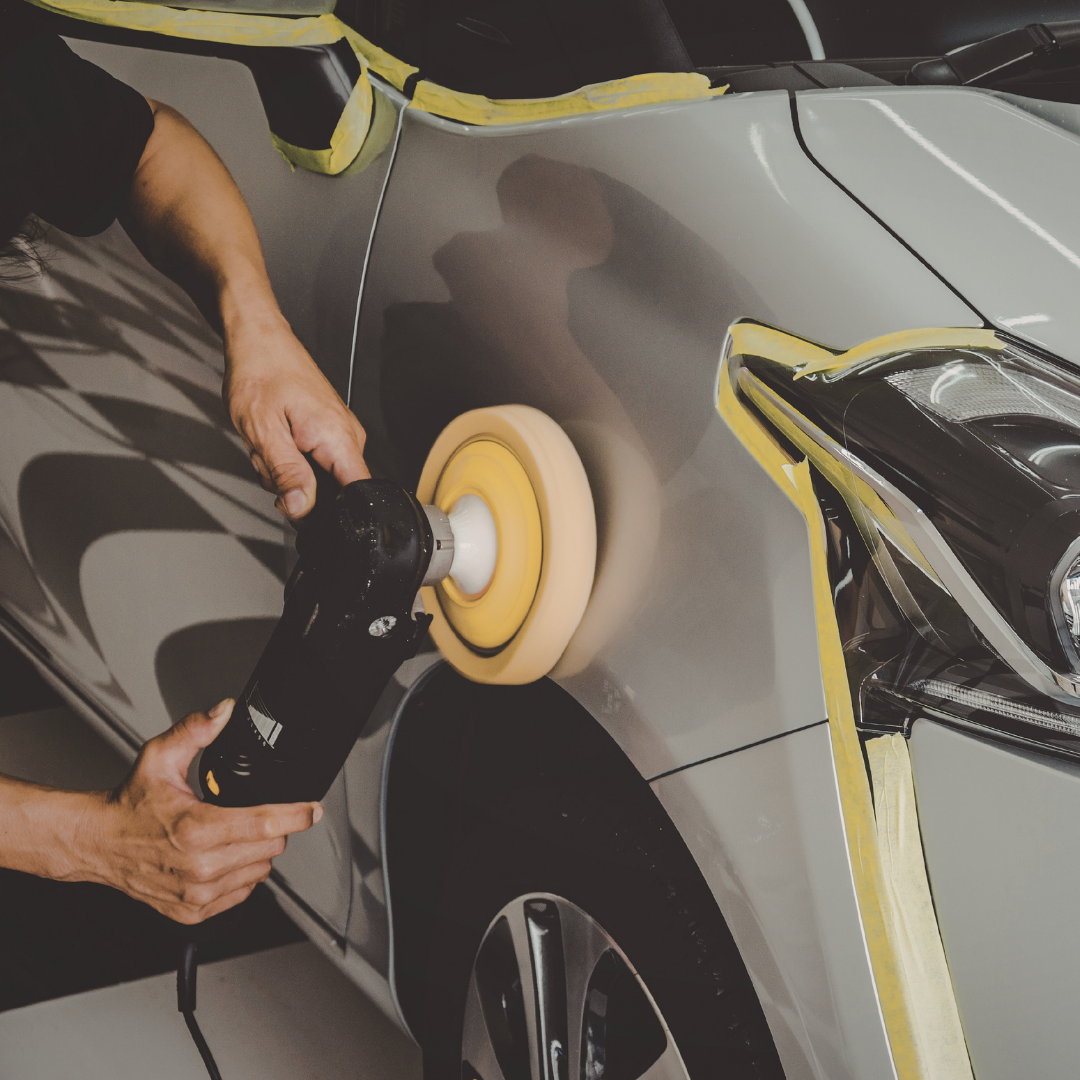
Rework is expensive in ways that are not always fully calculated. The direct cost is the time spent polishing, sanding, or respraying. The less visible cost is booth time that cannot be used for the next job. In a busy workshop, an extra hour of corrective work per day adds up quickly across a working week.
Surface charge is one of the variables that can be addressed at the preparation stage, and unlike several of the others, it takes about ten seconds per panel.
© Copyright 2026 Herrmann Innovations GmbH - Designed by skyisnolimit-Media