Contact us for construction services
Thank you! Your submission has been received!
Oops! Something went wrong while submitting the form.


In a bodyshop, time in the booth is revenue. A bay that is producing is a bay that is earning, and anything that pulls a job out of the booth early, or brings it back for correction, has a direct cost.
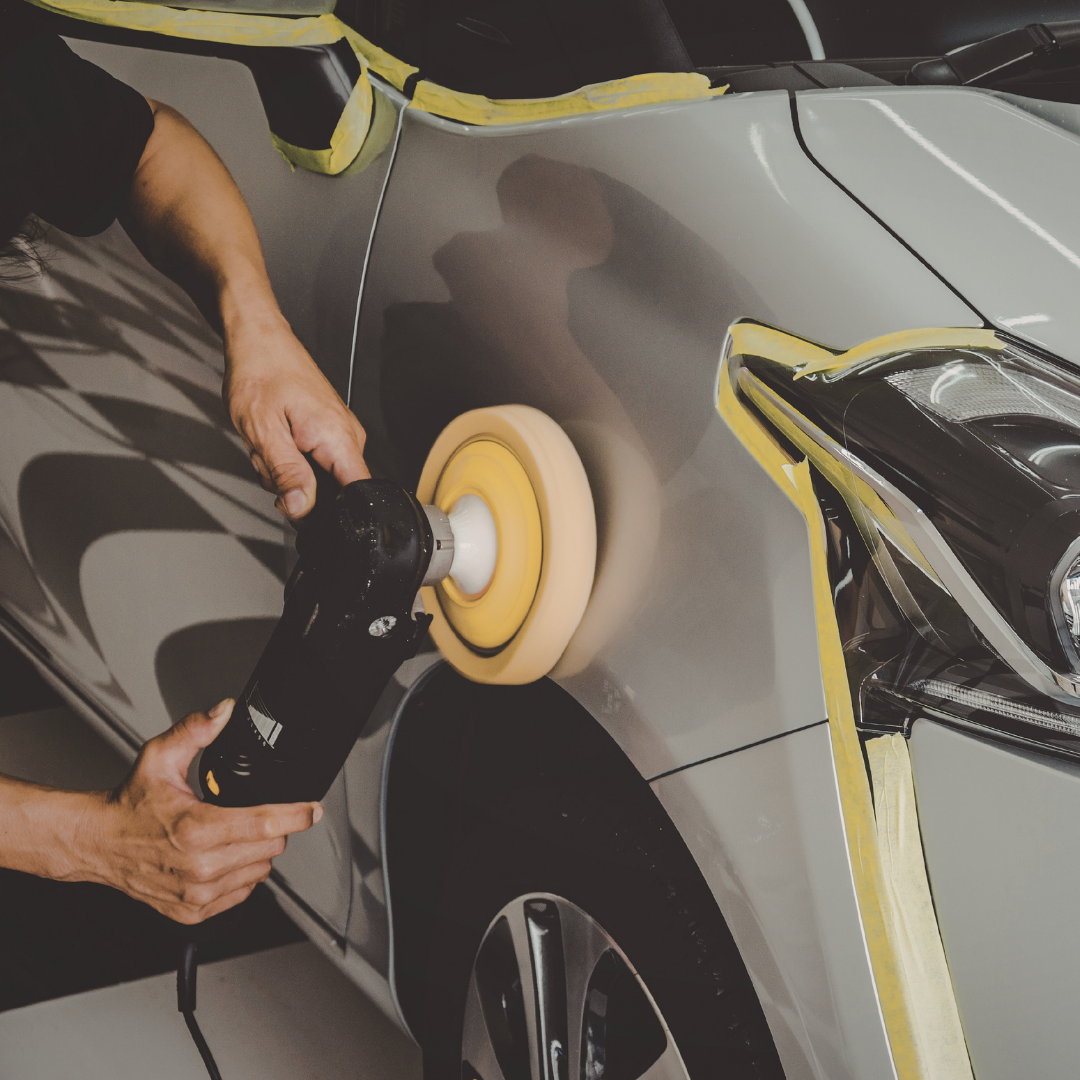
Rework is the most obvious drain. Polishing out dust nibs, wet-sanding and re-clearing, redoing a blend that did not match. Each of these takes time that was never priced into the job. In a shop doing ten repairs a week, even one extra hour of corrective work per job becomes a significant number at the end of the month.
The sources of rework are varied, and not all of them are within easy control. Paint booth contamination, temperature and humidity changes, substrate behaviour. These require ongoing management. But static-related surface contamination sits in a different category, because it can be addressed at a fixed point in the process with a predictable result.
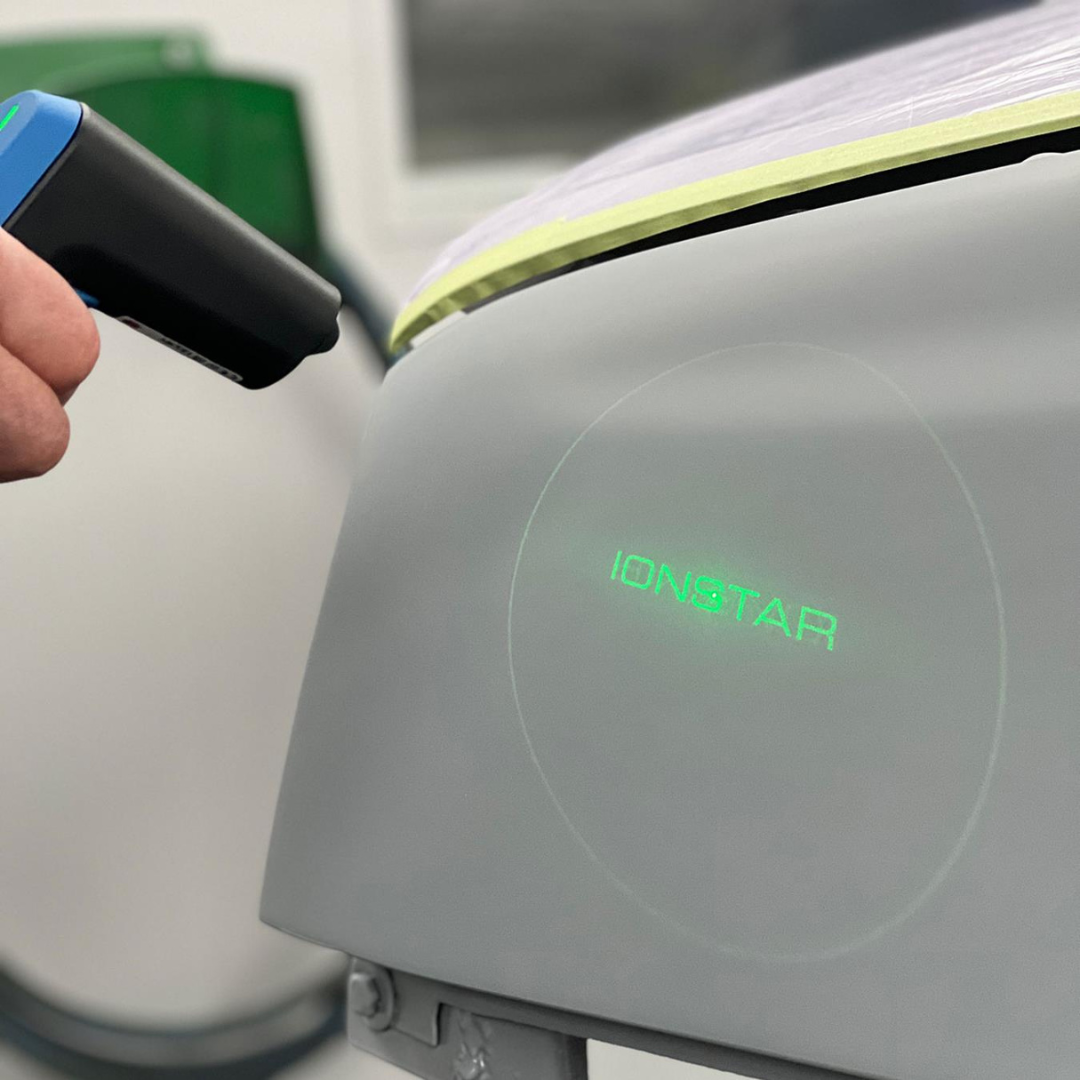
Neutralising static charge before application removes the electrical pull that draws airborne particles to the surface during the application window. It does not change the paint, the equipment, or the painter's technique. The surface condition going into the booth is simply better, and better surface conditions produce fewer defects.
The throughput benefit comes from fewer of those defects reaching the polishing stage. A job that comes out of the booth clean goes to the customer faster. Booth time that does not get absorbed by a re-clear is available for the next job. The numbers compound quickly in a shop running near capacity.
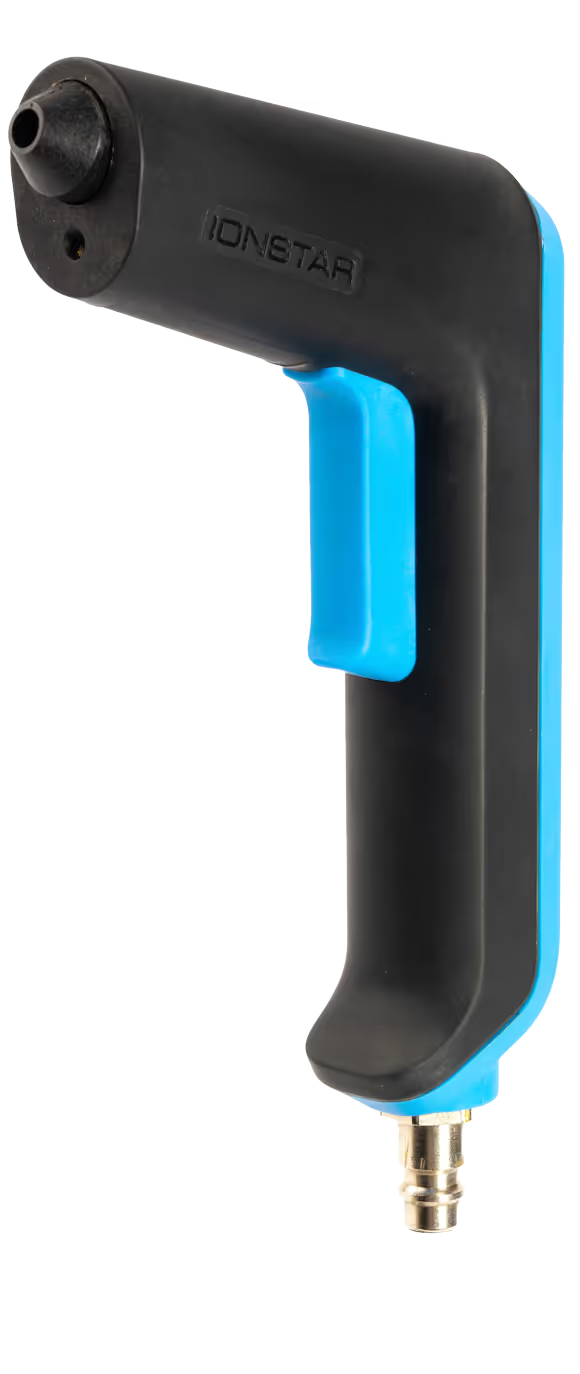
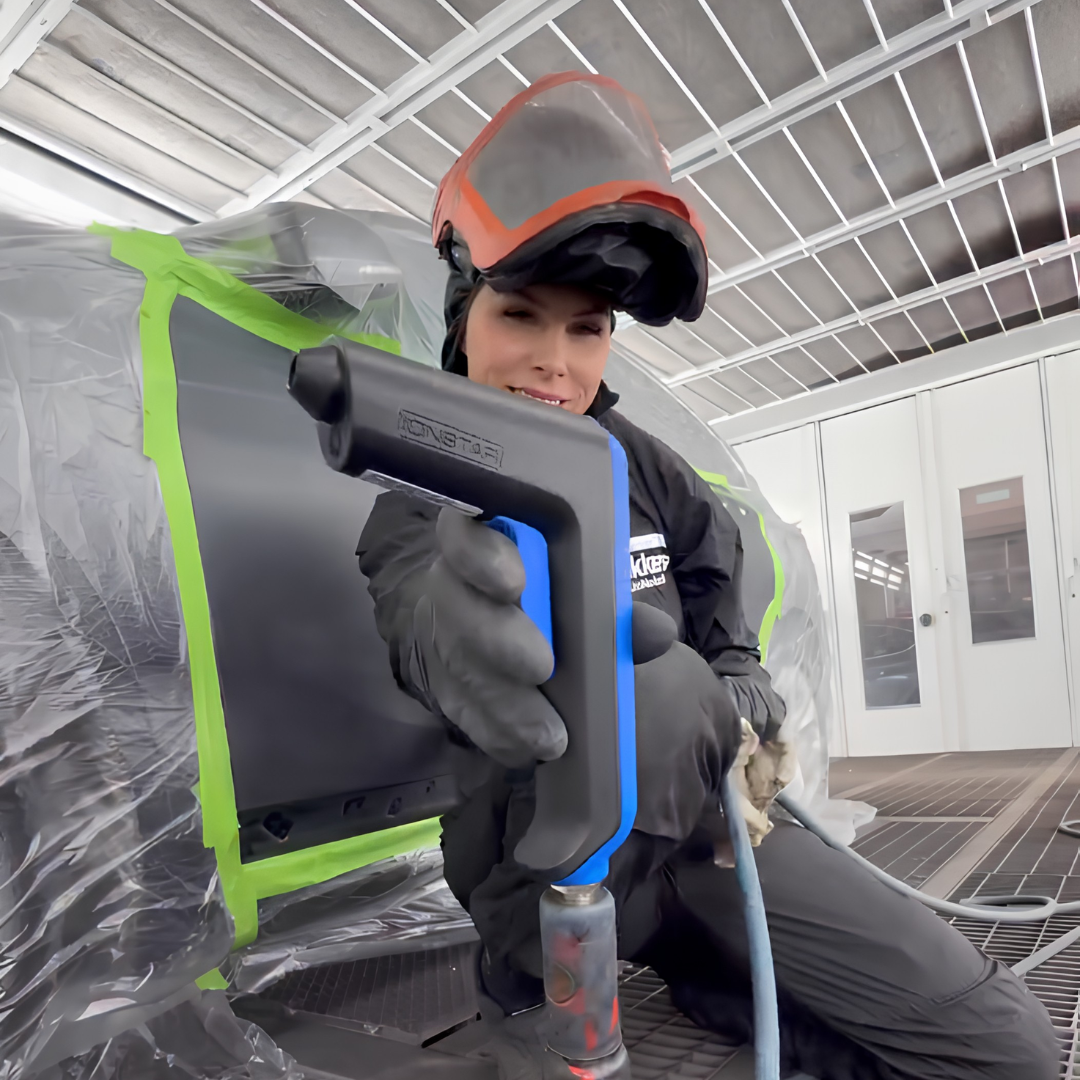
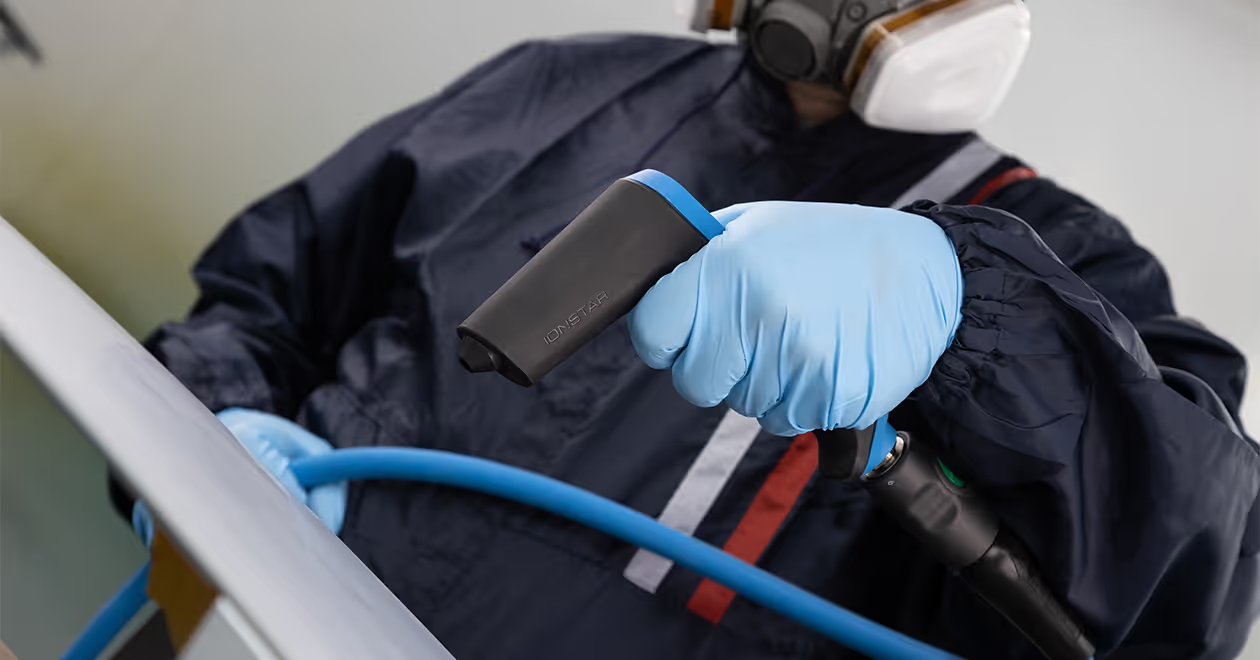
IONSTAR® runs on compressed air from the existing line. There is nothing to charge, calibrate, or replace. The step adds about ten seconds per panel to the preparation sequence and works across substrates, metal, plastic, previously painted surfaces.
For shops where finishing quality and workflow efficiency are both under pressure, that ten seconds is a reasonable place to start.
© Copyright 2026 Herrmann Innovations GmbH - Designed by skyisnolimit-Media