Contact us for construction services
Thank you! Your submission has been received!
Oops! Something went wrong while submitting the form.
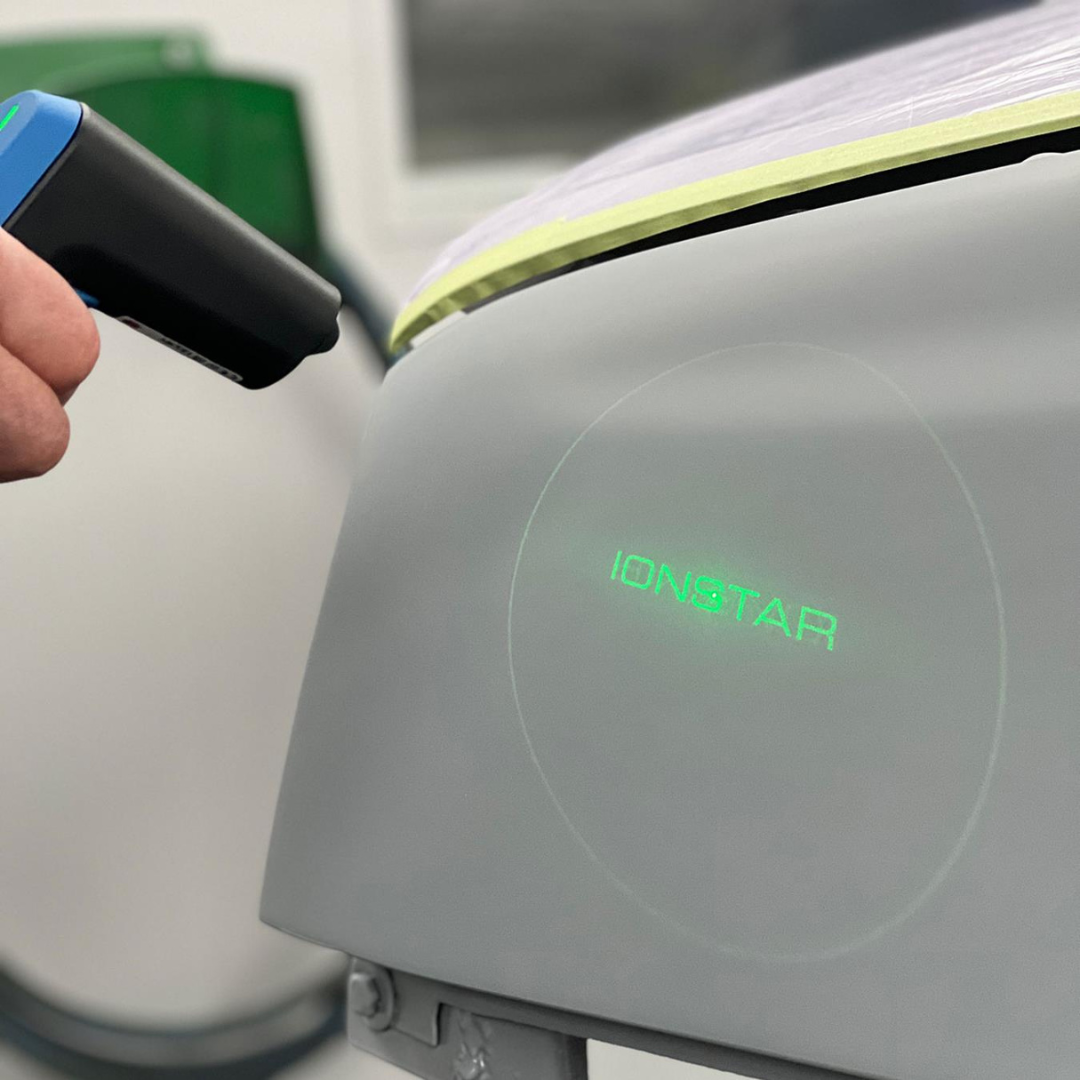


Vehicle painters develop a feel for preparation over time. The sequence of steps, the products used, the order in which things get done. It becomes second nature, which makes it harder, not easier, to identify the variable that has been quietly affecting results.
Static charge on a surface is invisible. It does not change the way a panel looks or feels during preparation. But it changes what happens in the time between that preparation and the moment paint is applied, and it can affect the lay-down of the first coat itself.
The effect is cumulative rather than dramatic. A painter who removes static from the preparation process does not usually see a single striking difference on the first job. What they notice, over a series of jobs, is that the finishing step takes less time. That polishing is lighter. That the panel comes out of the booth cleaner than it used to. These are not large changes individually, but they reflect something real in the process.
The mechanism is straightforward. An uncharged surface does not attract airborne particles the way a charged one does. In a spray booth where the air is moving and the environment is never completely sterile, this matters. Particles that cannot attach to the surface cannot become inclusions in the paint film.
Plastic components show the effect most clearly, because they carry higher charge than metal and discharge more slowly. But the benefit extends to any surface where static can build up during preparation: sanded filler, bare metal, previously painted panels.
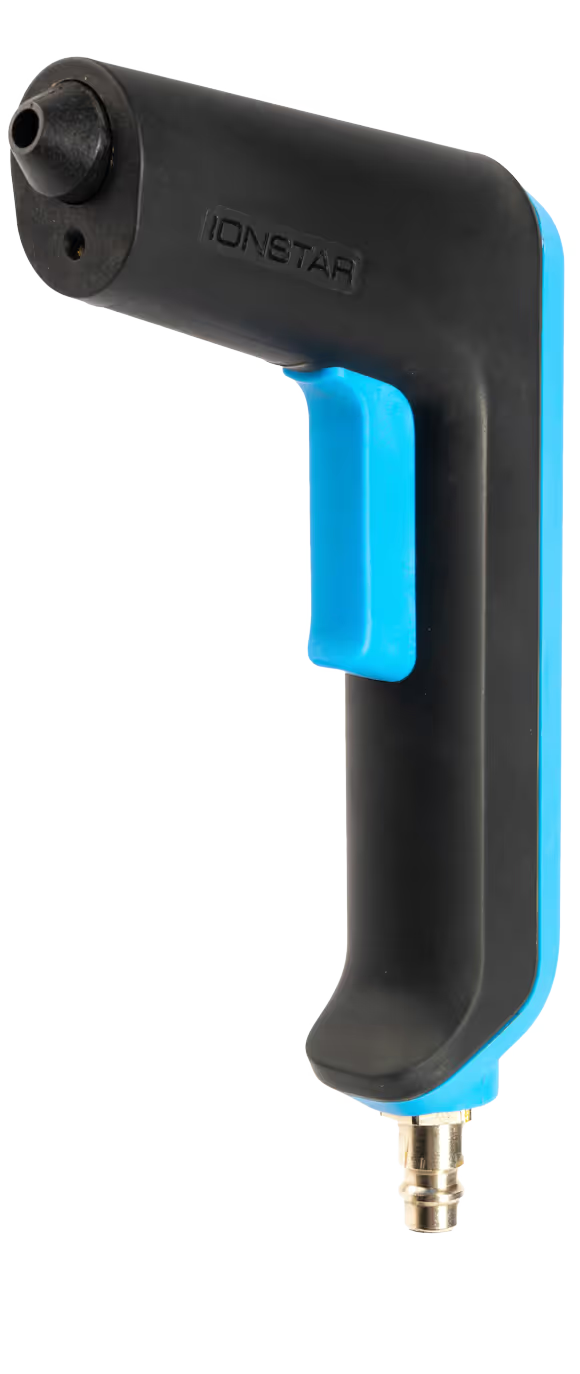
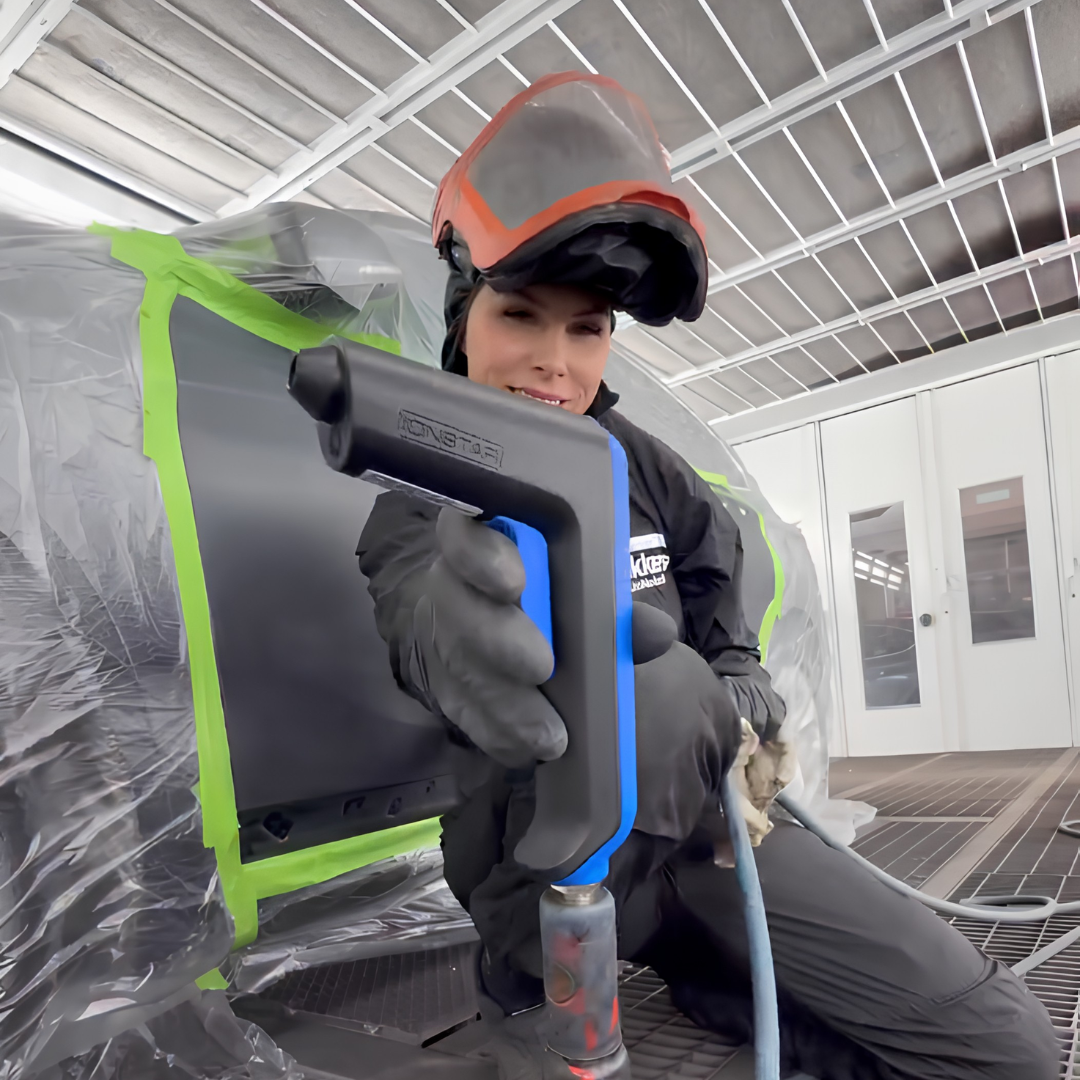
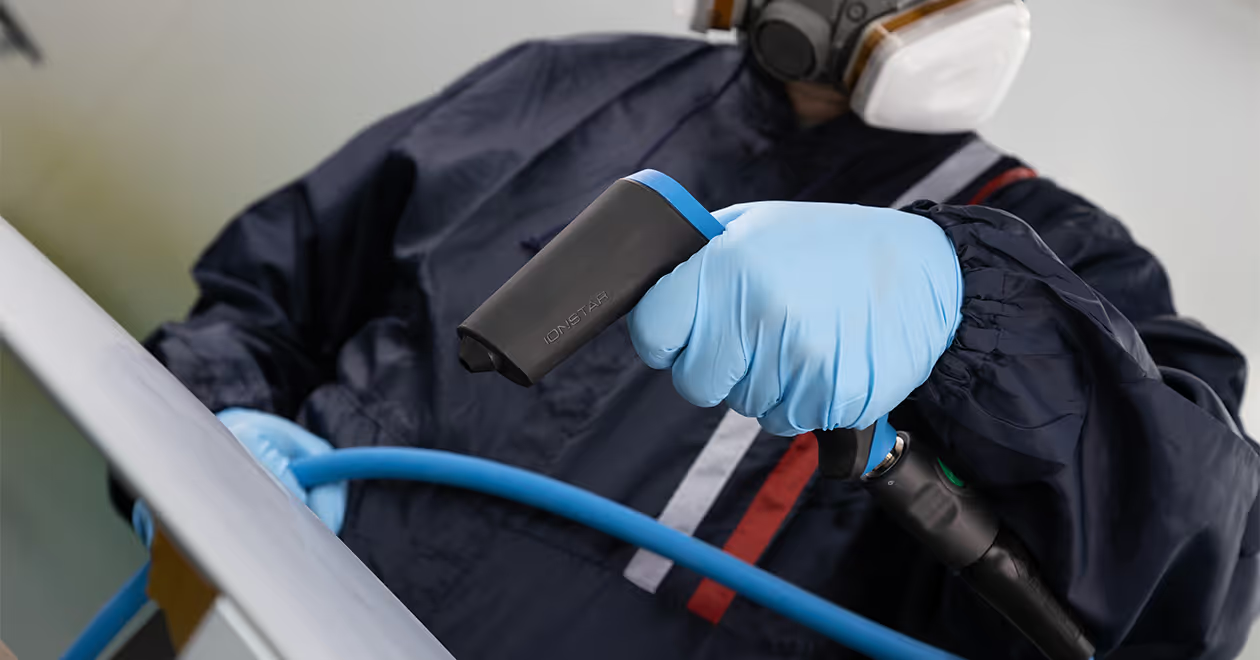
IONSTAR® connects to the existing air line, adds around ten seconds per panel to the preparation sequence, and needs no setting up between uses. Painters who use it regularly describe it as becoming part of the routine rather than an addition to it. That is usually a reasonable sign that something has genuinely changed in the process, rather than just been added to it.
© Copyright 2026 Herrmann Innovations GmbH - Designed by skyisnolimit-Media