Contact us for construction services
Thank you! Your submission has been received!
Oops! Something went wrong while submitting the form.





The colour match looks right on the mixing machine. The application goes on well. But when the panel comes out of the booth, the metallic is not sitting the way it should. Too light from one angle, uneven across the surface, or noticeably different from the adjacent panel.
This is a common frustration, and it gets blamed on many things: the paint batch, the gun settings, the spraying technique. All of those can contribute. But there is one cause that gets less attention than it deserves.
Metallic particles are flat, reflective flakes. They orient themselves during application, and how they orient depends partly on what is happening at the surface. When a panel carries electrostatic charge, it can influence the way those particles settle. Instead of lying flat and parallel to the surface, they tilt, bunch, or distribute unevenly, which changes how light reflects off the finished coat.
The effect is most visible on light metallics and silvers, where the angle-dependent appearance is most pronounced. It can appear on any metallic colour, though, particularly when blending into an adjacent panel that was prepared differently, or when conditions in the booth shift between coats.
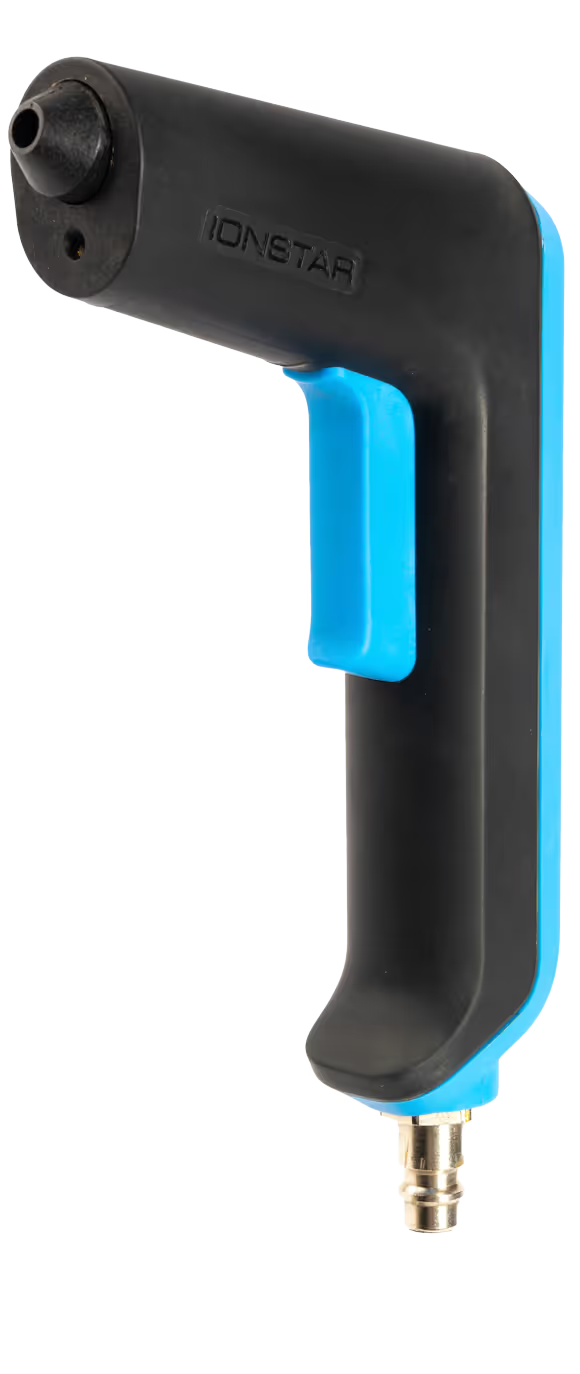
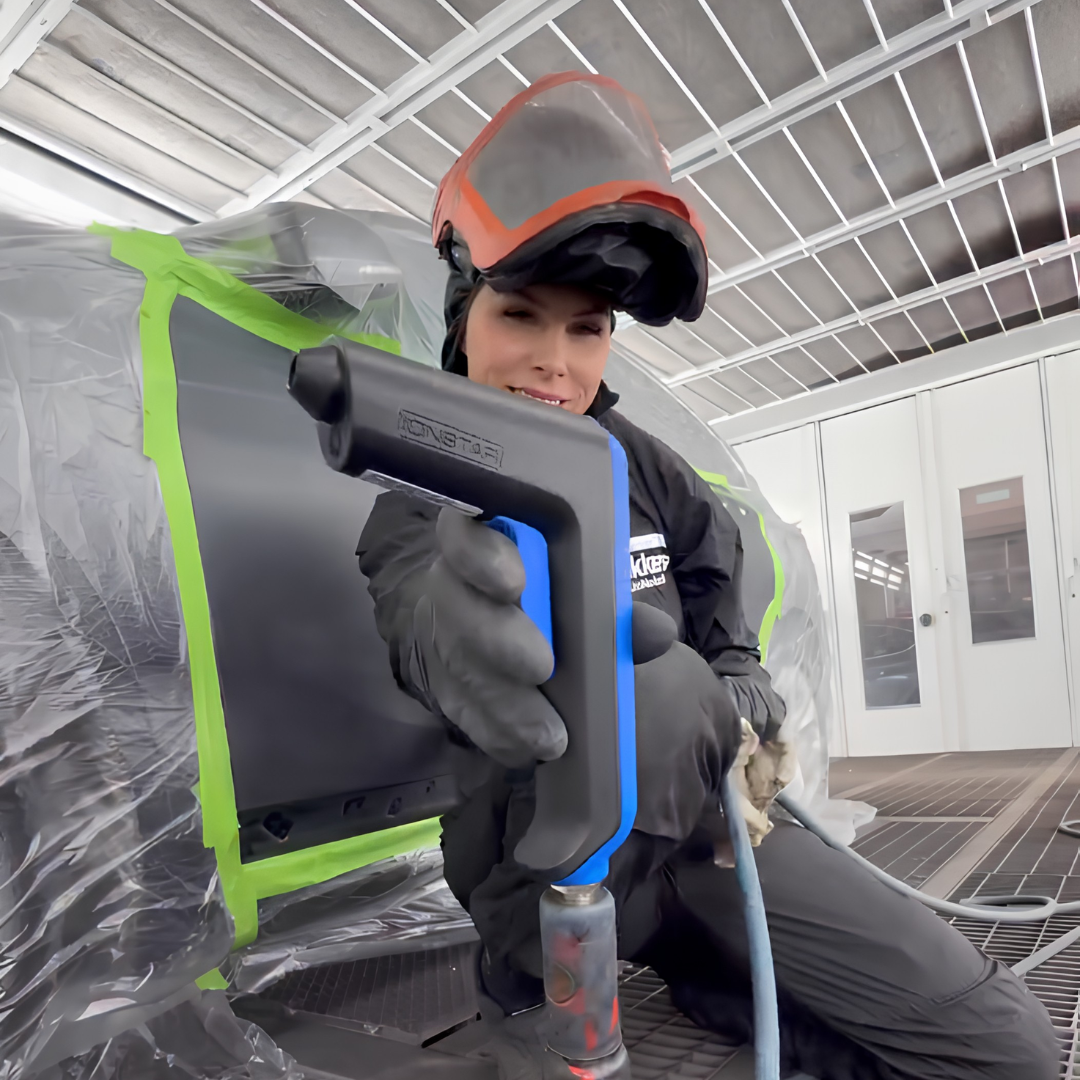
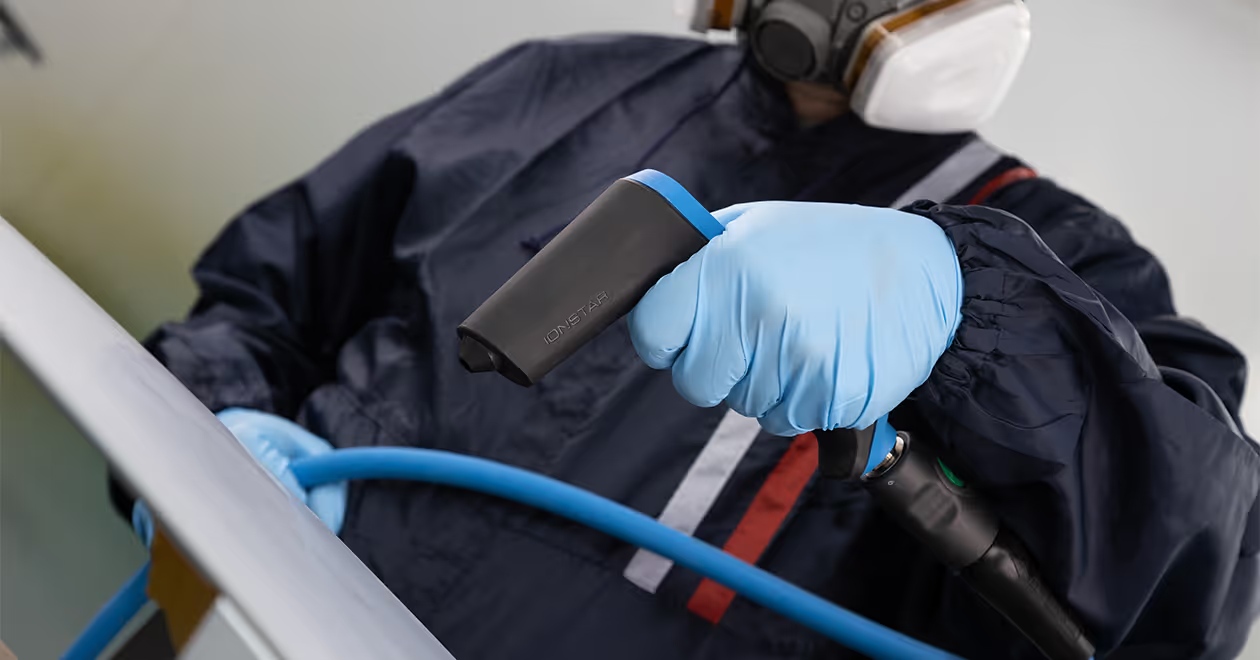
Neutralising the charge before application does not change the paint or the technique. What it does is remove an interference from the surface, one that the metallic particles would otherwise contend with as they settle. A flat, uncharged surface gives those particles a stable environment to orient correctly.
This is also why metallic problems can be inconsistent in a way that is hard to diagnose. If static charge varies between jobs because humidity changes, because different substrates hold charge differently, or because conditions in the booth shift with the weather, the results vary too, without any obvious change in how the work is being done.
Consistent metallic results come from consistent conditions. Surface charge is one of the variables that affects those conditions, and it is one that can be addressed directly before the paint goes on.

© Copyright 2026 Herrmann Innovations GmbH - Designed by skyisnolimit-Media